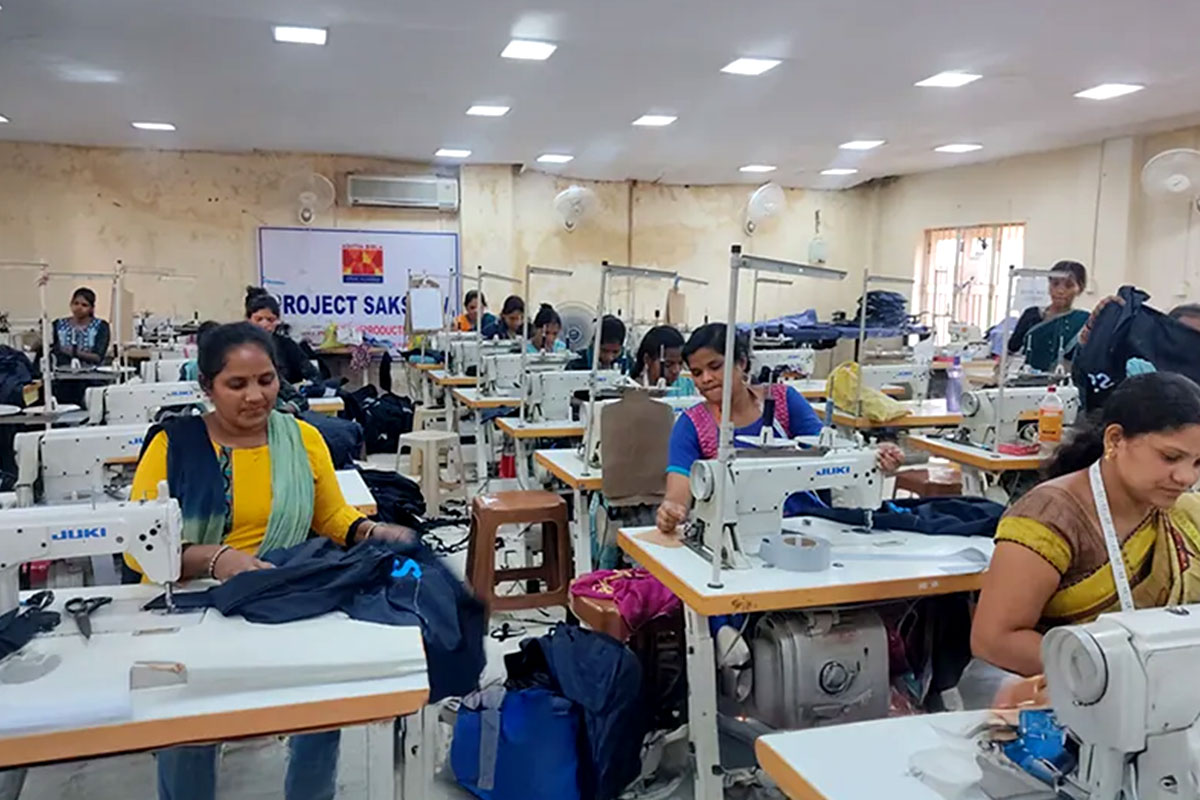
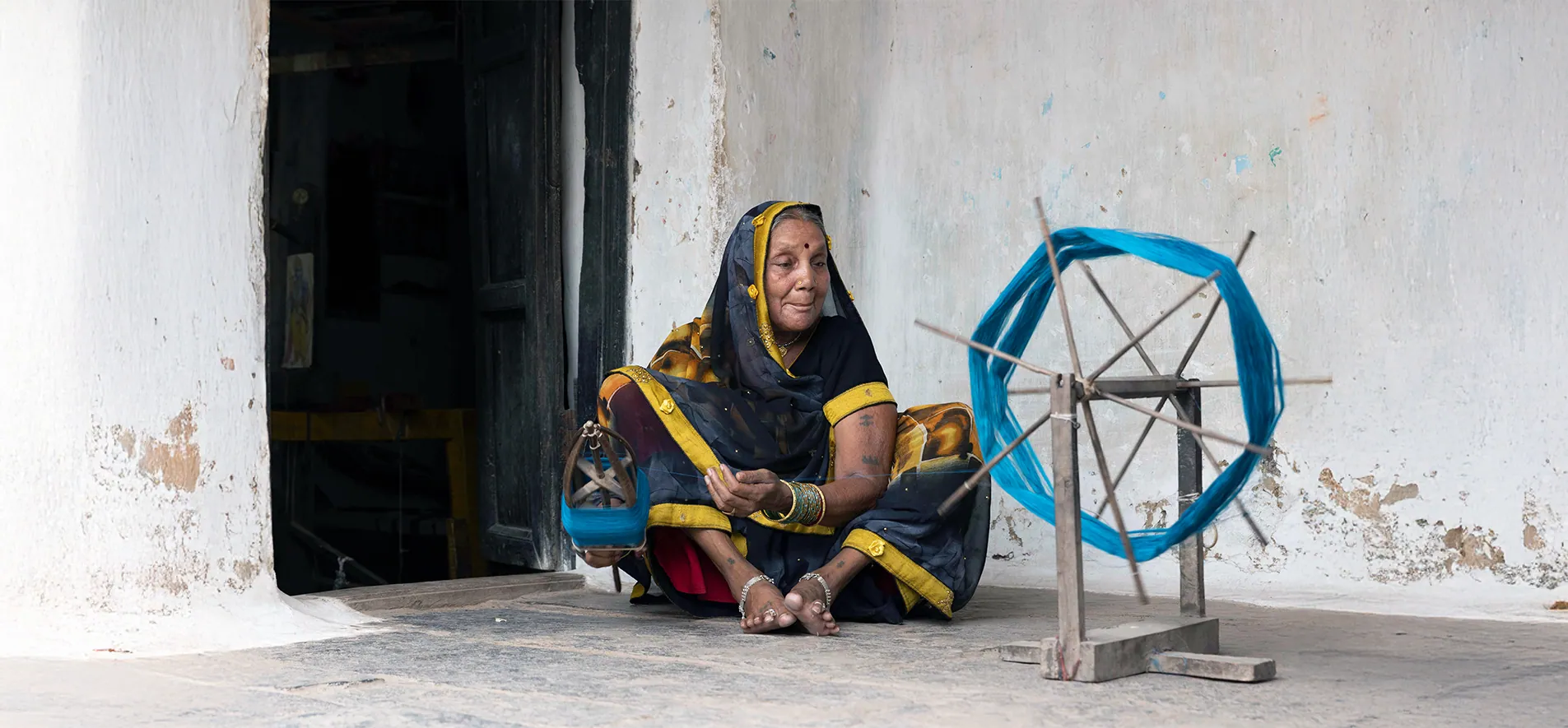
Long before corporate social responsibility found a place in the corporate lexicon, it was already textured into the Group's value system. As early as the 1940s, the late Mr. G.D. Birla espoused the trusteeship concept of management — investing a portion of the company's profits for the larger good of society. The late Mr. Aditya Birla went beyond chequebook philanthropy when he brought in the concept of 'sustainable livelihood'.
For over 50 years, Hindalco has worked in the hinterlands of India to better the quality of life of the underprivileged sections of society.
Today, we reach out to millions of people in the villages, of whom more than 60 per cent live below the poverty line. Their needs include: access to water, agriculture and sustainable livelihood, healthcare, and education. These four areas form the focus of our efforts.
The company also works to bring about social reform through widow re-marriage and dowry-less marriages.
We work in partnership with government agencies and the beneficiaries to provide these necessities and encourage social reform.
Corporate Social Responsibility Committee
- Mrs. Rajashree Birla – Chairperson
- Mr. Satish Pai – Member
- Mr. Sudhir Mital – Member
- Dr. Vikas Balia – Member
- Dr. (Mrs.) Pragnya Ram – Permanent Invitee
- Ms. Geetika Anand – Secretary
Focus areas
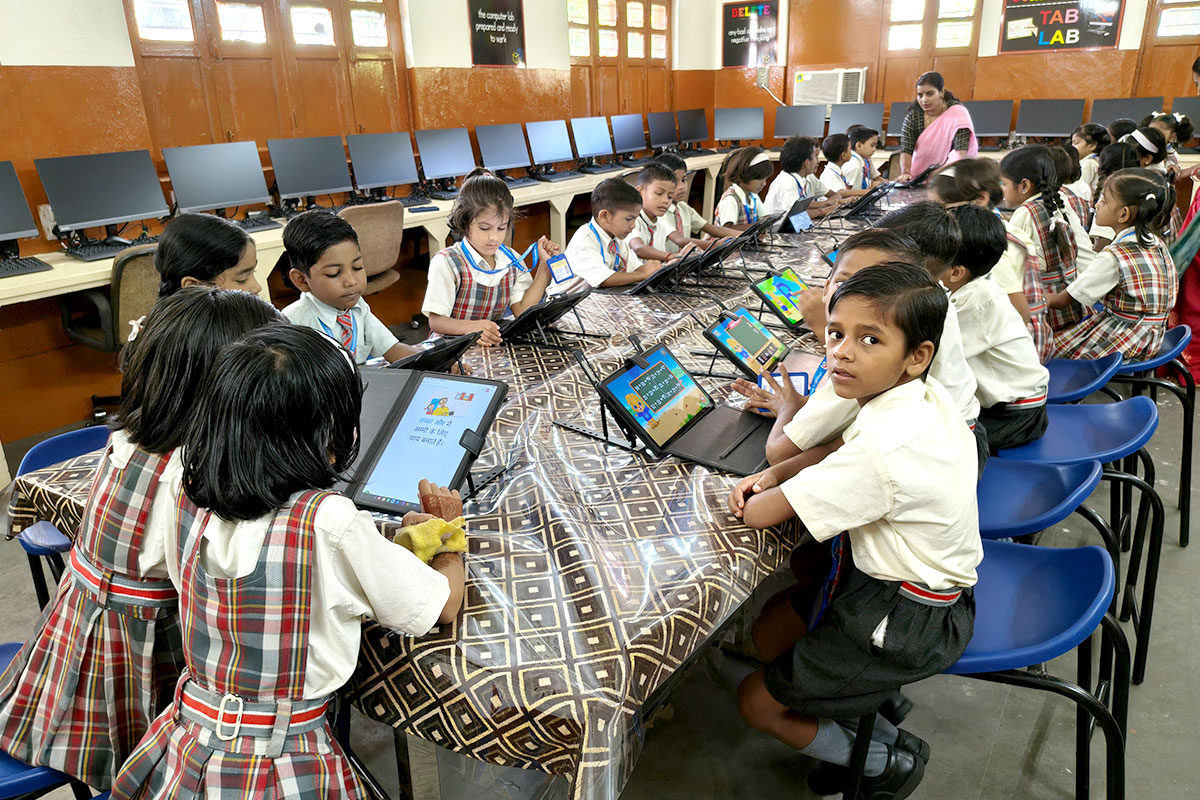
Education
- Pre-school education: Supporting early childhood education initiatives to provide a strong foundation for holistic learning and development.
- School education programmes: Promoting access to quality education through initiatives aimed at improving learning outcomes and school participation.
- Educational support programmes: Providing academic assistance, learning resources, scholarships, and other support measures to encourage continued education.
- Vocational and technical education: Facilitating vocational and technical training programmes to enhance employability, skill development, and career opportunities.
- School infrastructure: Developing and improving educational infrastructure, including classrooms, libraries, laboratories, sanitation facilities, and other essential amenities to create a conducive learning environment.
Impact Assessment report of School Education
Impact Assessment report of School Infrastructure
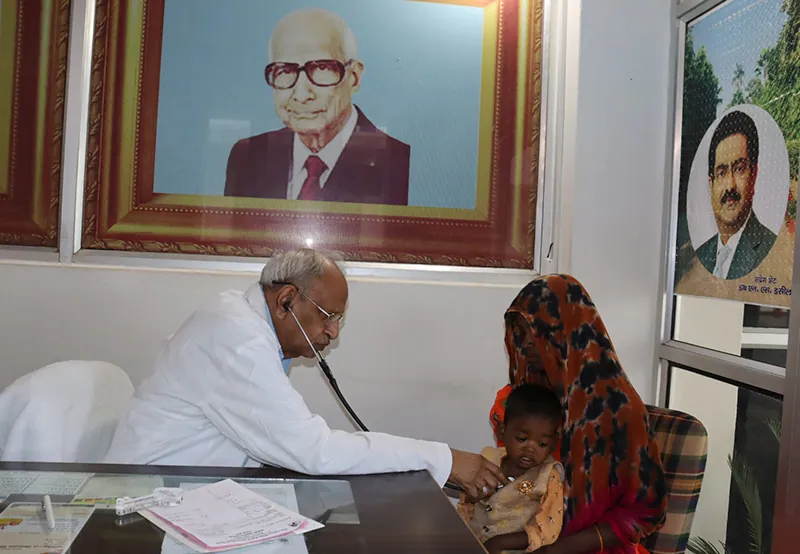
Healthcare
- Preventive healthcare: Promoting preventive healthcare through health awareness programmes, regular health screenings, immunisation drives, and initiatives aimed at reducing the incidence of diseases.
- Curative healthcare programmes: Providing access to medical treatment, consultation services, and healthcare interventions to support the diagnosis and treatment of illnesses.
- Reproductive and child health: Supporting maternal, neonatal, and child health initiatives, including nutrition programmes, reproductive healthcare services, and awareness on family health and well-being.
- Quality and support programmes: Implementing healthcare quality improvement initiatives, capacity-building programmes, and support services to enhance the delivery and effectiveness of healthcare facilities.
- Health infrastructure: Establishing, upgrading, and maintaining healthcare infrastructure, including hospitals, clinics, health centres, medical equipment, and related facilities to improve access to quality healthcare services.
Curative Healthcare Programme
Healthcare Infrastructure Programme
Preventive Healthcare Programme
Sustainable Livelihood
- Agriculture and farm-based livelihoods: Promoting sustainable agricultural practices, improving farm productivity, and supporting income-generating activities linked to agriculture and allied sectors.
- Animal husbandry-based livelihoods: Encouraging livestock rearing and related activities through capacity building, access to resources, and support programmes to enhance rural incomes.
- Non-farm and skill-based income generation: Facilitating skill development, vocational training, entrepreneurship, and other non-farm livelihood opportunities to improve employability and economic self-reliance.
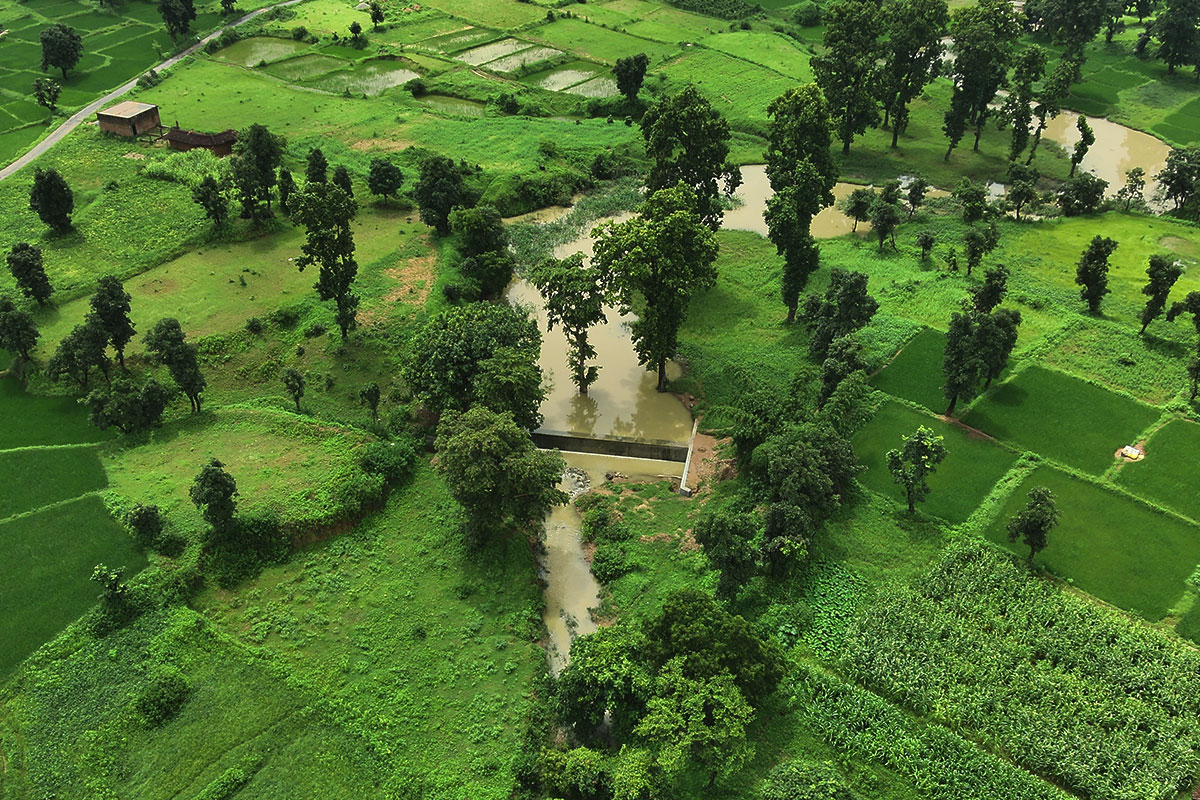
- Natural resource conservation and renewable energy: Implementing programmes for the conservation of soil, water, forests, and other natural resources, while promoting the adoption of renewable and non-conventional sources of energy for sustainable development.
- Livelihood infrastructure: Developing and strengthening infrastructure that supports livelihood generation, including community assets, market linkages, storage facilities, training centres, and other essential resources.
Agriculture & Farm-based Livelihood Programme
Livelihood Infrastructure Programme
Natural Resource Conservation Programme
Non farm & Skills Based Income Generation Programme
Infrastructure
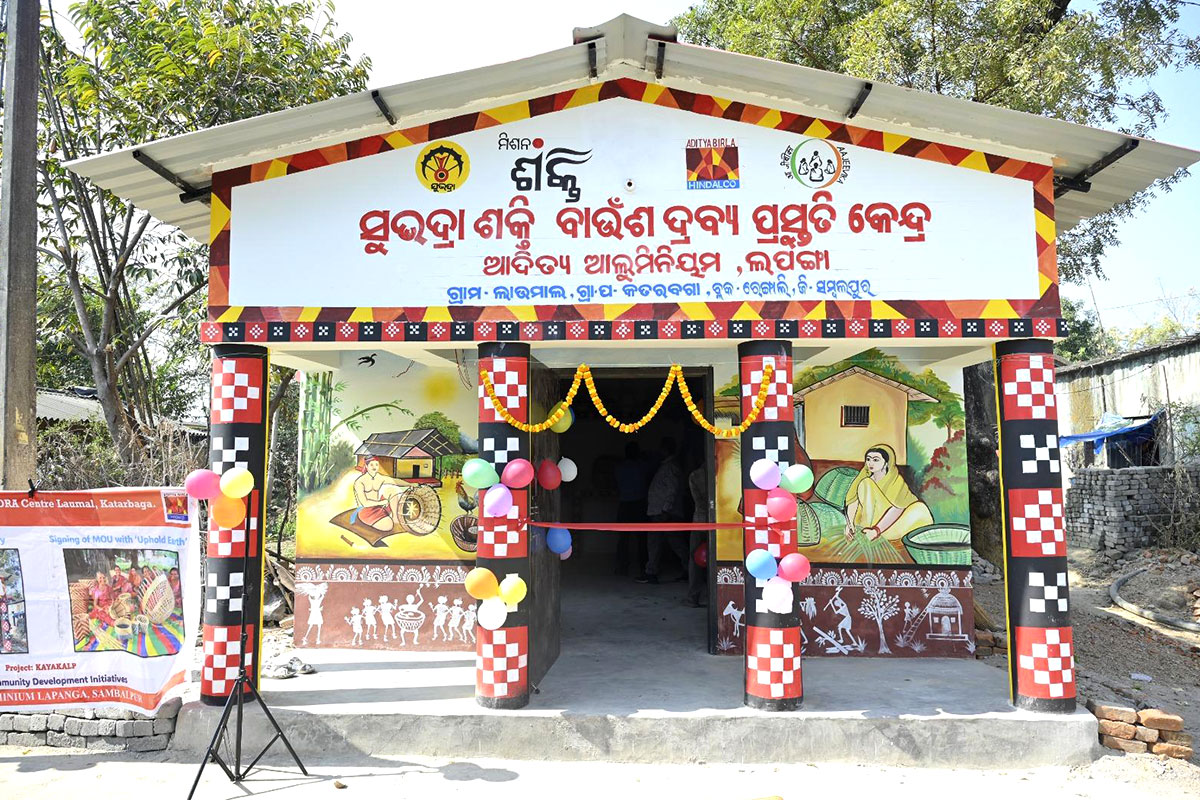
- Rural infrastructure development: Developing and strengthening essential rural infrastructure, other than health, education, and livelihood-related facilities, to improve connectivity, accessibility, and overall community well-being.
- Infrastructure development: Supporting the creation, upgradation, and maintenance of community infrastructure and public amenities that contribute to sustainable socio-economic development and improved quality of life.